
By Brian Phillips, Sr. Loan Officer | Silliman Private Lending
- What Is a DSCR Loan?
- Understanding the Debt Service Coverage Ratio
- DSCR Ratio: What Makes a Strong Number?
- Georgia DSCR Loan Requirements
- Georgia Investors: Credit Score and Qualification
- Down Payment: Capital Required at Closing
- Cash and Capital: Reserve Requirements
- Financing: What DSCR Loans Are NOT
- Benefits of DSCR Loans for Georgia Real Estate Investors
- Refinance Flexibility and Refinance Options
- Loan Programs and Rentals: Property Types That Qualify
- Atlanta Investors: DSCR Loans in Georgia's Largest Market
- Interest and DSCR Loan Rates in Georgia
- DSCR Loans vs. Conventional Loans and Traditional Mortgages
- DSCR Loans and Renovation: A Rental Financing Strategy
- DSCR Loan FAQ: Common Questions From Georgia Investors
- Talk to a Georgia DSCR Lender Today
If you’re a real estate investor in Georgia looking to grow your rental property portfolio, understanding DSCR loans Georgia lenders offer is one of the most important steps you can take. Whether you’re financing long-term rentals, short-term term rental properties, or multifamily assets, Georgia DSCR loans offer a flexible type of financing that qualifies based on property income — not your personal income or debt obligations.
This comprehensive guide covers Georgia DSCR loan requirements, DSCR loan rates, loan amounts, approval requirements, and property cash flow targets for rental property investors across Atlanta, Savannah, Augusta, and beyond.
Whether you’re a first-time investor in Atlanta or an experienced real estate investor managing a real estate portfolio across Georgia markets, understanding DSCR loans is essential to scaling your real estate investing strategy without hitting the wall that conventional loans and traditional mortgages create.
What Is a DSCR Loan?
A DSCR loan — short for Debt Service Coverage Ratio loan — is a type of mortgage where the lender qualifies the loan based on the income the property generates, not the borrower’s personal income or employment history.
That’s the core distinction separating DSCR loans from conventional loans and traditional mortgage loan products. With a conventional mortgage loan or bank loan, your approval depends heavily on your W-2s, tax returns, debt-to-income ratio, and personal debt obligations. With DSCR loans, the property does the talking. If the rental income covers the loan payments, the loan works — regardless of how many properties you own or how your income looks on paper.
This makes DSCR loans particularly powerful for:
- Real estate investors who are self-employed and whose tax returns don’t reflect their true financial strength
- Investors who already carry multiple mortgages and can’t qualify for additional conventional loans
- Georgia investors scaling a rental property portfolio quickly without being bottlenecked by personal income limits
- Out-of-state investors purchasing Georgia rental properties
- Investors looking for refinance options on existing rental assets without a full income review
Understanding the Debt Service Coverage Ratio
The debt service coverage ratio is the mathematical foundation of every DSCR loan. Understanding how lenders calculate it helps real estate investors evaluate any potential acquisition before making a call.
DSCR = Gross Rental Income ÷ Total Debt Service
Total debt service includes principal, interest, taxes, insurance, and any HOA fees — everything that contributes to loan payments on the property monthly. A DSCR of 1.0 means the property breaks even. A DSCR above 1.0 means positive property cash flow. A DSCR below 1.0 means negative cash flow — rental income doesn’t fully cover the debt obligations.
A practical example: a Georgia rental property generating $2,500 per month in rent with total monthly loan payments of $2,000 has a DSCR of 1.25 — strong cash flow and a comfortable position for most private lenders. Most lenders set a minimum DSCR of 1.0 to 1.25 depending on property type and borrower profile.

DSCR Ratio: What Makes a Strong Number?
A strong DSCR ratio gets you better loan programs, lower rates, and more flexible loan options. Georgia investors who consistently target acquisitions with a DSCR ratio of 1.25 or higher build more resilient real estate portfolios and access the most competitive DSCR programs and loan options in the market.
The minimum DSCR most lenders accept is 1.0 — break even on property cash flow. But a minimum DSCR of 1.15 to 1.25 is a much stronger target because it gives you a real buffer against vacancy, unexpected repairs, or short-term term rental properties fluctuations in the Georgia rental market.
Georgia DSCR Loan Requirements
Georgia DSCR loan requirements vary by lender, but here’s what rental property investors across Atlanta and Georgia markets generally need to prepare. These requirements apply across DSCR loan programs for both purchase and refinance options.
Property income documentation: Lease agreement for existing tenants, or a market rent analysis from a licensed appraiser for new acquisitions. Market rent must be supportable — lenders scrutinize optimistic rental potential projections carefully.
Minimum DSCR: Most DSCR loan programs require a minimum DSCR of 1.0. Targeting a minimum DSCR of 1.15 to 1.25 is a safer strategy for Georgia investors.
Payment Requirements and Reserves: DSCR loans require a meaningful down payment. Plan to bring adequate cash to cover your down payment, closing costs, and reserves. Lenders review payment requirements carefully — borrowers must demonstrate sufficient liquidity to cover loan payments during vacancy periods.
Georgia Investors: Credit Score and Qualification
While DSCR loans don’t use personal income for qualification, your credit score is still reviewed by every lender. A stronger credit score typically results in better DSCR loan rates and more favorable loan programs. Most private lenders look for a minimum credit score in the 640 to 680 range. Georgia investors with credit scores above 700 generally access the best DSCR loan rates and most flexible loan options in the market.
Down Payment: Capital Required at Closing
One of the most common misconceptions among first-time Georgia investors is that DSCR loans are zero-down payment products. They are not. DSCR loans require a minimum of 20% down on a purchase — plan to bring adequate cash to the table covering your down payment, closing costs, and reserves. DSCR loans can fund the vast majority of a qualified deal, but borrower capital is always required at closing on a purchase.
Cash and Capital: Reserve Requirements
Cash reserves are a key qualification factor across all DSCR loan programs. Investors who show up to closing with exactly the down payment and no cash reserves present a higher risk profile to any lender. Adequate capital reserves are both a qualification requirement and a marker of sound real estate investing strategy. Georgia investors should plan to have three to six months of debt service in liquid capital beyond their down payment and closing costs.
Financing: What DSCR Loans Are NOT
DSCR financing is investment property financing only. DSCR loans are not consumer loans. They cannot be used for primary residences, owner-occupied properties, or residential properties used as a primary home. This is a hard line under current federal lending regulations — not a policy choice, a legal requirement.
Silliman Private Lending finances real estate investors exclusively — business-purpose lending on non-owner-occupied investment properties in Atlanta, Savannah, Augusta, and across Georgia markets. If you’re a consumer looking for a primary residence mortgage loan, DSCR financing is not the right product and no legitimate lender will structure it that way.
Benefits of DSCR Loans for Georgia Real Estate Investors
The benefits of DSCR loans become clear when you compare them directly to conventional loans, traditional mortgages, and standard mortgage broker products.
No personal income verification: Georgia real estate investors — particularly self-employed investors and those with complex tax returns — qualify based entirely on property income and cash flow. No W-2s, no tax returns, no employment verification required.
No DTI limits: Conventional loans use your debt-to-income ratio as a hard cap. DSCR loans bypass DTI entirely. Georgia investors can continue acquiring properties long after they’ve hit conventional loan limits.
Faster closings: Conventional loans through banks take 30 to 60 days to close. In competitive Atlanta and Georgia markets, that timeline kills deals. Private DSCR lenders close significantly faster — often in 10 business days. In a multiple-offer situation in Atlanta, the ability to close in 10 business days versus 45 is a decisive competitive advantage across multiple lenders competing for the same deal.
Scalability: For Georgia investors building a real estate portfolio of long-term rentals, short-term term rental properties, multifamily properties, or mixed-use buildings, DSCR loans provide a repeatable type of financing with no built-in ceiling.
Refinance Flexibility and Refinance Options
DSCR loans are available for both purchases and refinance options. Georgia investors who acquired properties with cash or other short-term financing can use a term refinance DSCR loan to pull equity out of stabilized rental property assets and redeploy that capital into new acquisitions — one of the most powerful strategies in today’s investment landscape.
This term refinance approach lets investors extract equity, redeploy capital, and grow their real estate portfolio without injecting new personal capital into every subsequent deal.
Loan Programs and Rentals: Property Types That Qualify
DSCR loan programs are available across a wide range of investment rentals and property types in Georgia:
Single-family rentals: The most common use case for DSCR loan programs. Single-family rentals across Atlanta, Savannah, Augusta, Roswell, and Georgia markets statewide qualify when rental financing income supports the debt service coverage ratio.
Multi-family properties: Duplexes, triplexes, fourplexes, and larger apartment buildings. Multi-family loan programs often generate stronger DSCR ratios due to multiple income streams.
Term Rentals — Airbnb and VRBO: Georgia’s short-term term rental properties market has expanded significantly. DSCR rental financing for Airbnb properties uses platform income history or comparable market rent analysis to establish qualifying rental potential. Term rental properties in Atlanta, Savannah, and the Blue Ridge corridor are well-supported by local rental demand.
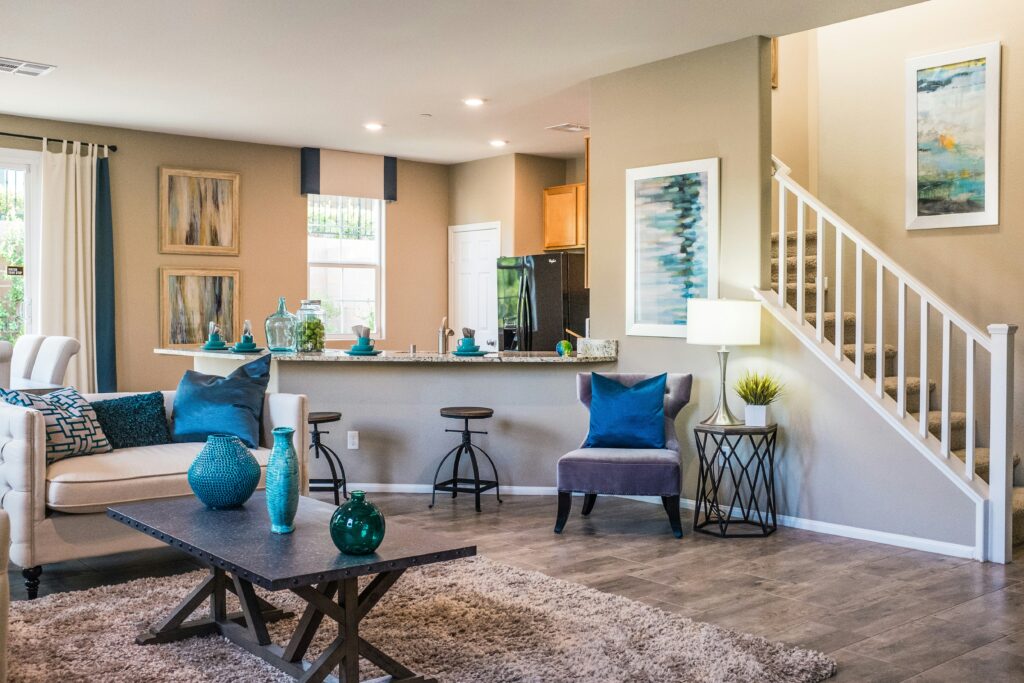
Mixed-use buildings: Properties with both residential properties rental units and commercial space qualify in most cases.
Condominiums: Investment condos used as rentals — including Airbnb rentals in Atlanta’s urban core — can qualify when rental financing income is documentable.
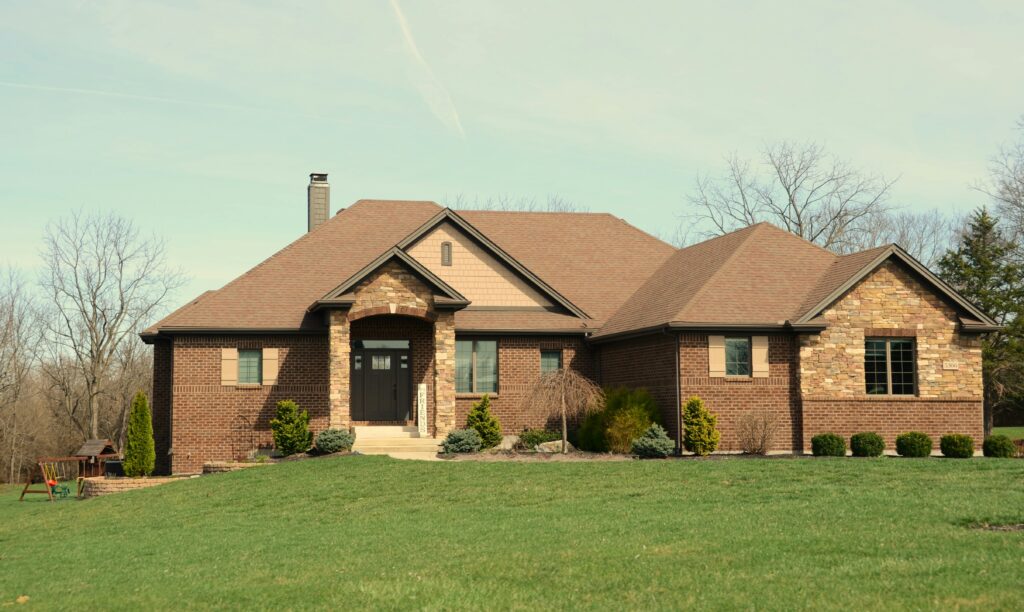
Atlanta Investors: DSCR Loans in Georgia’s Largest Market
Atlanta investors have more to gain from DSCR loan programs than almost any other market in the Southeast. Atlanta’s real estate portfolio opportunities span neighborhoods with strong long-term rental demand, growing term rental properties markets, and value-add multifamily assets. The speed and flexibility of DSCR rental financing makes Atlanta investors more competitive in a market where cash buyers dominate.
Atlanta’s rental market has shown resilient rental potential across both long-term and short-term term rental properties strategies. DSCR loan programs let Atlanta investors move on deals quickly, finance based on property cash flow, and build a real estate portfolio that scales with the market.
Interest and DSCR Loan Rates in Georgia
At Silliman Private Lending, our Georgia DSCR loan programs are structured around the actual rental potential of your investment property. Here’s what Georgia investors can expect from our flexible loan options:
- Loan amounts: $75,000 to $2,000,000
- Loan-to-value: Up to 80% on a purchase or rate and term refinance / Up to 75% on a cash-out refinance
- DSCR loan rates: 6% to 9% depending on property type, debt service coverage ratio, borrower profile, and market
- Interest rates are influenced by credit score, loan-to-value ratio, property type, and DSCR ratio strength
- Closing timeline: As few as 21 business days from completed application
A note on interest: private DSCR rental financing carries higher interest rates than conventional loans and mortgage loan rates. This reflects the speed, flexibility, and reduced documentation requirements of private lending — a type of financing that mortgage broker channels cannot match for speed.
DSCR Loans vs. Conventional Loans and Traditional Mortgages
Conventional loans for investment properties require full income documentation, employment verification, and tax returns for two years. They factor every existing mortgage loan payment into your debt obligations calculation, making each new acquisition harder to finance. They also take 30 to 60 days to close through standard mortgage broker channels.
DSCR loans require none of that personal income documentation. They qualify based on property cash flow, close in days not months, and scale with your real estate portfolio. Many experienced Georgia investors use both: conventional loans for stabilized long-term holds, and DSCR loan programs for acquisitions that require speed.
DSCR Loans and Renovation: A Rental Financing Strategy
DSCR rental financing intersects with renovation and value-add investment strategies across the Georgia real estate market. Georgia investors who acquire properties requiring renovation often follow this rental financing playbook: acquire with a bridge loan during renovation, complete renovation and place tenants, then use refinance options on DSCR loans once the property cash flow is established. This term refinance approach lets investors extract equity and grow their real estate portfolio without injecting new personal capital into every subsequent deal.
DSCR Loan FAQ: Common Questions From Georgia Investors
What do you need for a DSCR loan in Georgia? An investment property with documentable rental potential that supports an acceptable debt service coverage ratio, adequate down payment capital, a reviewable credit score, and entity documentation if borrowing through an LLC. Personal income verification and tax returns are not required. Georgia DSCR loan requirements focus on property income, not personal debt obligations.
How hard is it to qualify for a DSCR loan? For a rental property investor with a qualifying investment property and adequate capital, DSCR loans are generally more accessible than conventional loans because they don’t require personal income qualification. The main hurdle is the property itself — the rental financing income must support the minimum DSCR the lender requires, and the borrower must have the down payment and cash reserves to meet payment requirements at closing.
Are all DSCR loans 20% down? DSCR loans at Silliman Private Lending require a minimum of 20% down on a purchase. While down payment requirements can vary by lender and loan size, 20% is the standard for our DSCR loan programs. Borrowers should plan accordingly and ensure they have adequate cash reserves beyond the down payment at closing.
What is the downside to a DSCR loan? The primary downside is interest rates — private DSCR rental financing carries higher interest than conventional loans and standard mortgage loan rates. For long-term holds where rate optimization is the priority, a conventional loan may be better once a property is stabilized. DSCR loans are also investment property products only — not available for primary residences or residential properties used as a primary home.
What refinance options are available with DSCR loans? Georgia investors have several refinance options through DSCR loan programs — rate and term refinance to improve loan terms, cash-out term refinance to pull equity from stabilized rental property assets, and refinance options that transition bridge loans into long-term DSCR rental financing once a property is stabilized and generating documentable rental potential.
Talk to a Georgia DSCR Lender Today
Silliman Private Lending finances Georgia real estate investors with private capital across Atlanta, Savannah, Augusta, and markets statewide. Our Georgia DSCR loan programs offer flexible loan options with loan amounts from $75,000 to $2 million, DSCR loan rates starting at 6%, and closings in as few as 21 business days.

Call us at 404-806-1749 to discuss your investment property and find out if DSCR loans Georgia investors trust are the right rental financing structure for your next real estate deal. You’ll speak directly with a loan officer — no automated pre-approvals, no bots.
Brian Phillips is a Senior Loan Officer at Silliman Private Lending, specializing in private real estate financing for investors across Georgia and nationwide. Brian works directly with borrowers on deal structures, loan programs, and finding the right financing solution for their investment strategy
Silliman Private Lending provides financing exclusively for investment properties and business-purpose real estate loans. We do not offer consumer loans or financing for owner-occupied primary residences or residential properties used as a primary home.t offer consumer loans or financing for owner-occupied primary residences.
Leave a Reply